February 20, 2026
Managing direct messages on Instagram can quickly become overwhelming when a business starts getting dozens or hundreds of messages every day.
Dec 4, 2025
A data-backed breakdown of the real comment patterns driving ad performance in 2025.

Every brand looks at CTR, CPC, ROAS, and MER.
Almost none look seriously at the comment section — even though it’s the only place where customers tell you exactly what the ads failed to communicate.
This month, we analyzed thousands of comments pulled from Facebook ads across multiple industries. Despite the brands, products, and audiences being wildly different, the same patterns showed up again and again.
These seven themes reveal more about your customers — and your creative gaps — than most dashboards ever will.
Let’s break them down, and more importantly, turn each one into something you can act on.
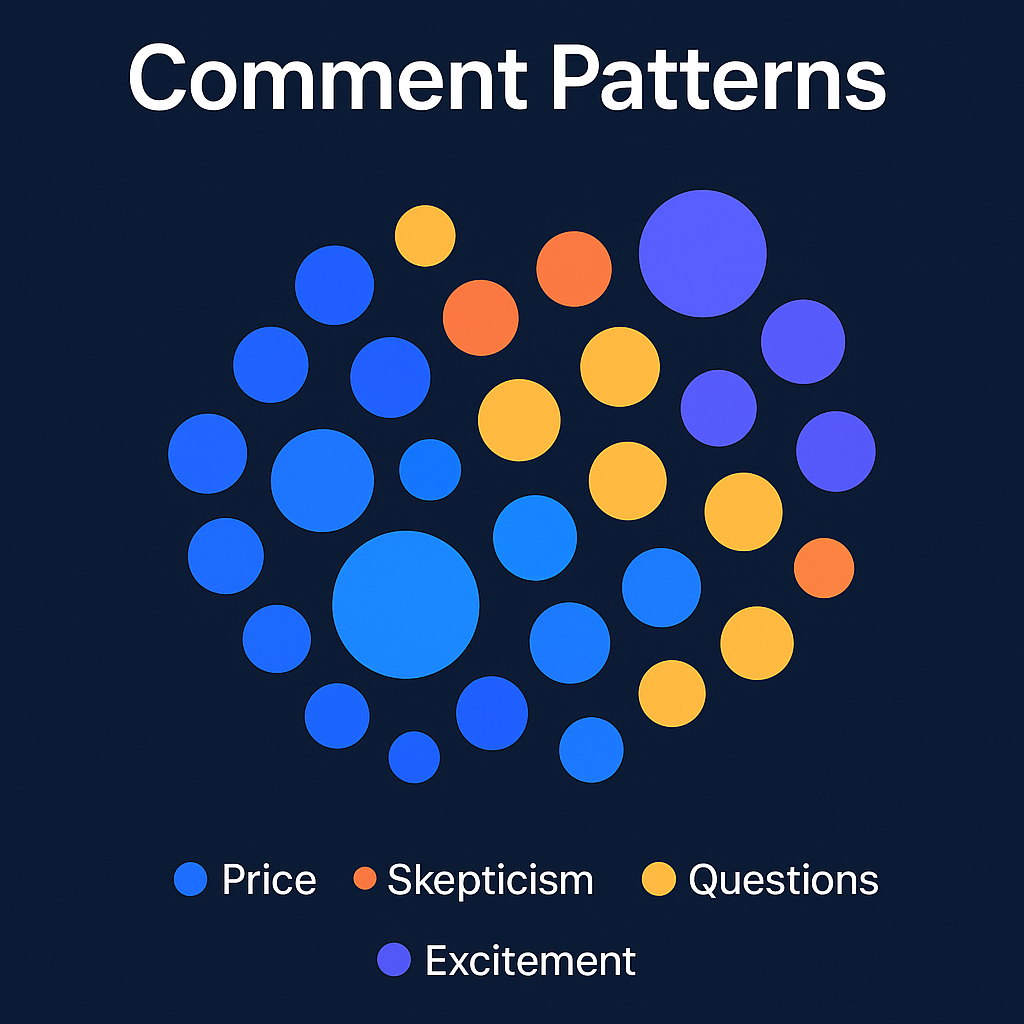
A significant portion of comments revolve around cost:
What’s interesting is that this happens even when the product is competitively priced — because people aren’t comparing you to your category. They’re comparing you to the last thing they bought online.
Across industries, people ask:
This isn’t negativity; it’s human behavior in a feed filled with bold claims.
A recurring pattern:
People ask the same handful of questions about compatibility, fit, setup, size, usage, and limitations.
These aren’t edge cases — they’re signals that your ad left something unclear.
People routinely ask:
When logistics aren’t crystal clear, the comment section becomes your unofficial support inbox.
Whenever customers ask about:
…it usually means the landing page isn’t addressing risk clearly enough.
Questions made up the single largest category across all comments:
People want clarity before they buy.
But most brands don’t respond quickly — or at all.
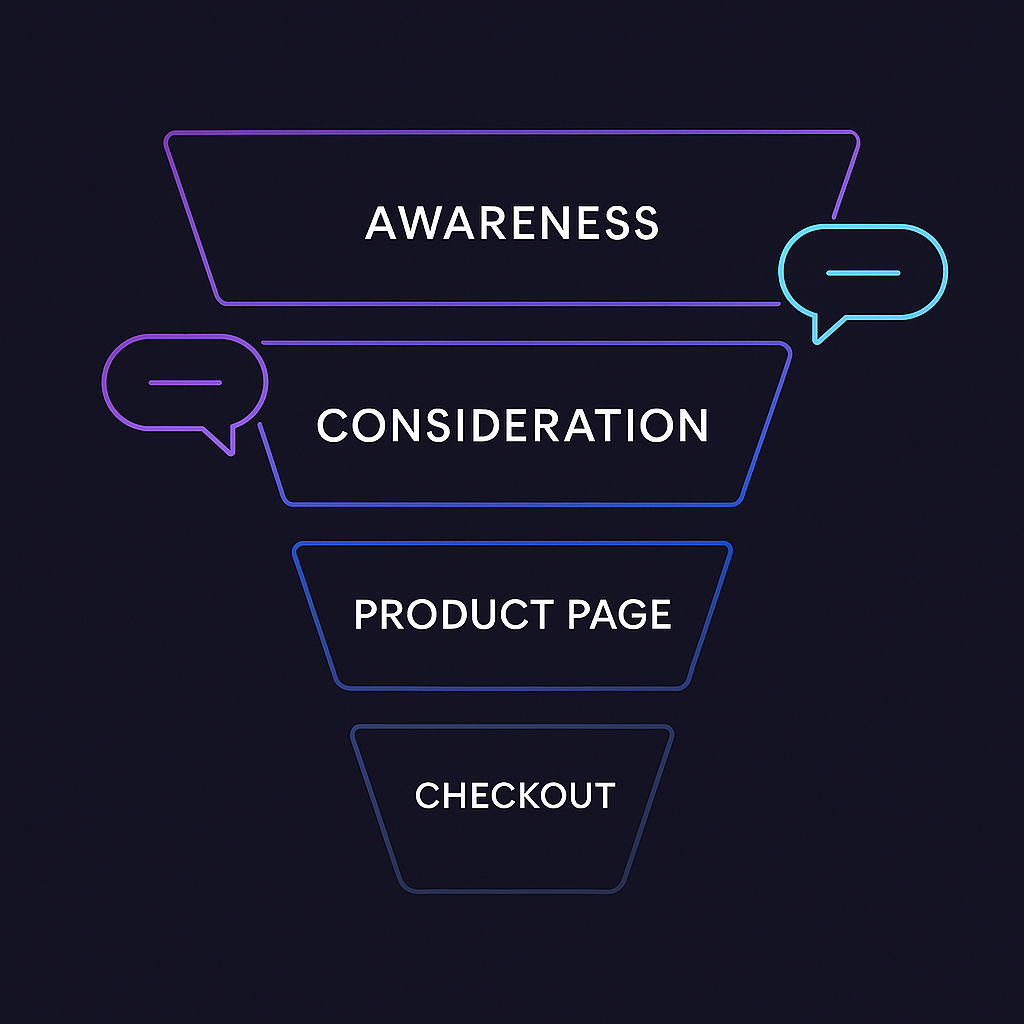
Every unanswered question is a missed opportunity to convert warm traffic.
Across thousands of comments, we consistently saw:
Not all comments deserve engagement — some simply need to be removed from the conversation.
Here’s the underlying pattern behind all seven trends:
Your comment section is a real-time creative research lab.
The themes customers repeat in comments should become your next ads.
If you see:
Your comments aren’t noise — they’re your strategy compass.
What we’re seeing across thousands of comments is exactly why tools like Superpower exist: to help brands automatically:
It’s not about automating everything — it’s about noticing what matters, fast.
Creative fatigue, rising CPMs, shrinking attention… these challenges aren’t going away.
But the comment section is one of the few places where customers still speak honestly — and loudly.
Brands that listen there — and act on what they see — will always outperform the ones who don’t.

Explore expert tips, industry trends, and actionable strategies to help you grow, and succeed. Stay informed with our latest updates.

February 20, 2026
Managing direct messages on Instagram can quickly become overwhelming when a business starts getting dozens or hundreds of messages every day.

February 20, 2026
Managing customer conversations across social media while keeping track of every interaction can quickly become overwhelming for businesses.

Block toxic comments automatically, respond at scale, and keep your brand safe in real time.